

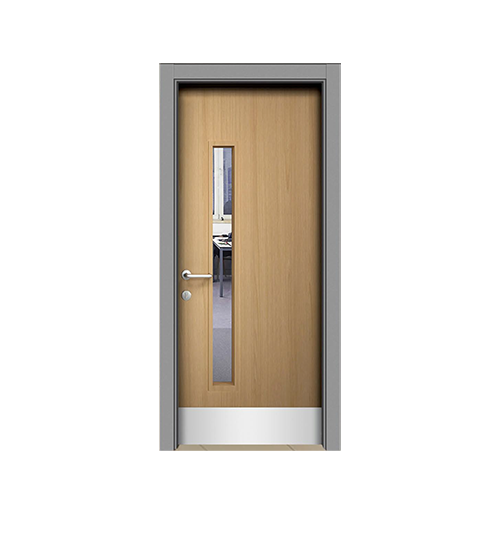
Inspection and Maintenance of Emergency Exit Doors
Introduction
Emergency exit doors are critical components of any building’s safety infrastructure. They provide a safe and quick escape route during emergencies such as fires, earthquakes, or other hazardous situations. Proper inspection and maintenance of these doors are essential to ensure they function correctly when needed. Neglecting their upkeep can lead to malfunction, blocked exits, or even fatalities during emergencies.
This guide provides a comprehensive overview of how to inspect and maintain emergency exit doors, covering legal requirements, common issues, and best practices for ensuring compliance and safety.
---
1. Legal and Safety Requirements
Before discussing inspection and maintenance procedures, it is important to understand the legal and safety standards governing emergency exit doors. Regulations vary by country and region, but some common standards include:
- International Building Code (IBC): Specifies requirements for exit doors, including width, accessibility, and signage.
- NFPA 101 (Life Safety Code): Outlines fire safety standards, including emergency exit door operation.
- OSHA (Occupational Safety and Health Administration): Requires that exit routes remain unobstructed and functional at all times.
- Local Fire Codes: Many jurisdictions have additional requirements for emergency exits.
Key legal requirements for emergency exit doors include:
- Unobstructed Access: Exit doors must never be blocked, locked, or obstructed.
- Clear Signage: Properly illuminated "EXIT" signs must be visible.
- Easy Operation: Doors must open outward (in the direction of egress) and should not require special tools or keys to open.
- Regular Inspections: Periodic checks must be conducted to ensure compliance.
---
2. Inspection Procedures
Regular inspections are crucial to ensure emergency exit doors function properly. Below is a step-by-step guide for conducting thorough inspections.
2.1. Frequency of Inspections
- Monthly Checks: Basic functionality tests (e.g., door operation, signage visibility).
- Quarterly Inspections: More detailed checks (e.g., hardware condition, structural integrity).
- Annual Professional Inspection: Comprehensive review by a certified safety inspector.
2.2. Inspection Checklist
A. Door Operation
- Smooth Opening/Closing: The door should open and close without sticking or excessive force.
- Latch Mechanism: Ensure the latch engages and releases properly.
- Self-Closing Feature: If required, the door should close and latch automatically.
- Panic Hardware: Check that push bars or crash bars function smoothly.
B. Structural Integrity
- Door Frame: Inspect for cracks, warping, or damage.
- Hinges: Ensure they are secure and not rusted.
- Glass Panels (if applicable): Check for cracks or breaks.
C. Signage and Visibility
- "EXIT" Signs: Must be illuminated and clearly visible.
- Pathway Markings: Ensure exit routes are marked and unobstructed.
- Emergency Lighting: Test backup lighting to ensure visibility in power outages.
D. Obstructions and Accessibility
- Clear Pathways: Verify that no furniture, equipment, or debris blocks the door.
- External Obstructions: Check that the exit path outside is clear (e.g., no snow, overgrown plants).
E. Compliance with Fire Codes
- Fire-Rated Doors: If required, ensure the door meets fire resistance standards.
- Seals and Gaskets: Check for damage that could compromise fire resistance.
---
3. Maintenance Procedures
Proper maintenance ensures emergency exit doors remain functional and compliant. Below are key maintenance tasks.
3.1. Lubrication and Hardware Maintenance
- Hinges and Latches: Apply lubricant to prevent rust and ensure smooth operation.
- Panic Bars: Clean and test regularly to avoid jamming.
- Lock Mechanisms: If locks are present (for security), ensure they can be disengaged quickly in emergencies.
3.2. Repairs and Replacements
- Damaged Components: Replace broken latches, hinges, or panic hardware immediately.
- Warped or Broken Doors: Repair or replace doors that do not close properly.
- Glass Replacement: If the door has glass panels, replace cracked or shattered sections.
3.3. Weatherproofing (for External Doors)
- Weather Stripping: Replace worn-out strips to prevent drafts and water damage.
- Corrosion Prevention: Treat metal components with anti-rust coatings.
3.4. Testing Emergency Features
- Self-Closing Mechanism: Verify that doors close and latch automatically.
- Alarm Integration (if applicable): Ensure alarms activate when the door is opened.
- Emergency Lighting: Test backup power sources regularly.
---
4. Common Issues and Solutions
Despite regular inspections, emergency exit doors may develop problems. Below are common issues and how to address them.
| Issue | Possible Cause | Solution |
|-----------|------------------|--------------|
| Door sticks or won’t close | Warped frame, misaligned hinges | Adjust hinges or replace the door |
| Panic bar is stiff | Dirt buildup, lack of lubrication | Clean and lubricate the mechanism |
| Exit sign not illuminated | Burnt-out bulb, electrical issue | Replace bulb or check wiring |
| Obstructed exit path | Storage items blocking the door | Remove obstructions immediately |
| Rust on hardware | Moisture exposure | Clean and apply anti-rust treatment |
---
5. Training and Awareness
Even well-maintained emergency exit doors are useless if occupants do not know how to use them. Key training aspects include:
- Employee Training: Conduct regular drills on emergency evacuation procedures.
- Clear Instructions: Post instructions near exits if special operation is required (e.g., push bars).
- Reporting System: Encourage staff to report any exit door issues immediately.
---
6. Documentation and Record-Keeping
Maintaining records of inspections and repairs is essential for compliance and liability protection. Key documents include:
- Inspection Logs: Dates, findings, and corrective actions.
- Maintenance Reports: Details of repairs and replacements.
- Training Records: Documentation of employee safety drills.
---
Conclusion
Emergency exit doors are a lifeline during crises, and their proper inspection and maintenance are non-negotiable. By following structured inspection schedules, performing timely maintenance, and ensuring compliance with safety regulations, building managers can safeguard occupants and avoid legal penalties. Regular training and clear documentation further enhance safety preparedness.
Prioritizing emergency exit door maintenance is not just a legal obligation—it is a moral responsibility to protect lives.
يستخدم هذا الموقع ملفات تعريف الارتباط لضمان حصولك على أفضل تجربة على موقعنا.
 English
 Español
 Pусский
 Tiếng Việt
 中文
中文



 هاتف
هاتف
تعليق
(0)